

-
Furniture-inspired forms for cat living
Cabinet-style hideaways and wood-tone towers bring feline resting spaces into shared rooms. Compare a design’s footprint, entrance and resting levels with the needs of your cat and home.
Cat furniture shares a room with the furniture people already use. Considering its overall shape, footprint and resting levels can make the selection process clearer. A cabinet-style hideaway, an open tower and a compact floor-standing scratcher occupy a space in different ways, even when their colours are similar.
Hideaway Sideboard in the Timber Haven collection uses a cabinet form with an open entrance and an upholstered top. Corner Hideaway Tower combines corner-shaped platforms with a circular-entry hideaway. These examples show how a furniture-inspired design can provide enclosed and open areas within a more architectural outline.
An open tower may suit a different arrangement. Hammock Lounge Tower includes a cushioned upper perch and a suspended hammock, while Window Lounge Tower provides several resting levels. When comparing designs, consider the available access between those levels and the clear space around the product, rather than relying only on its height.
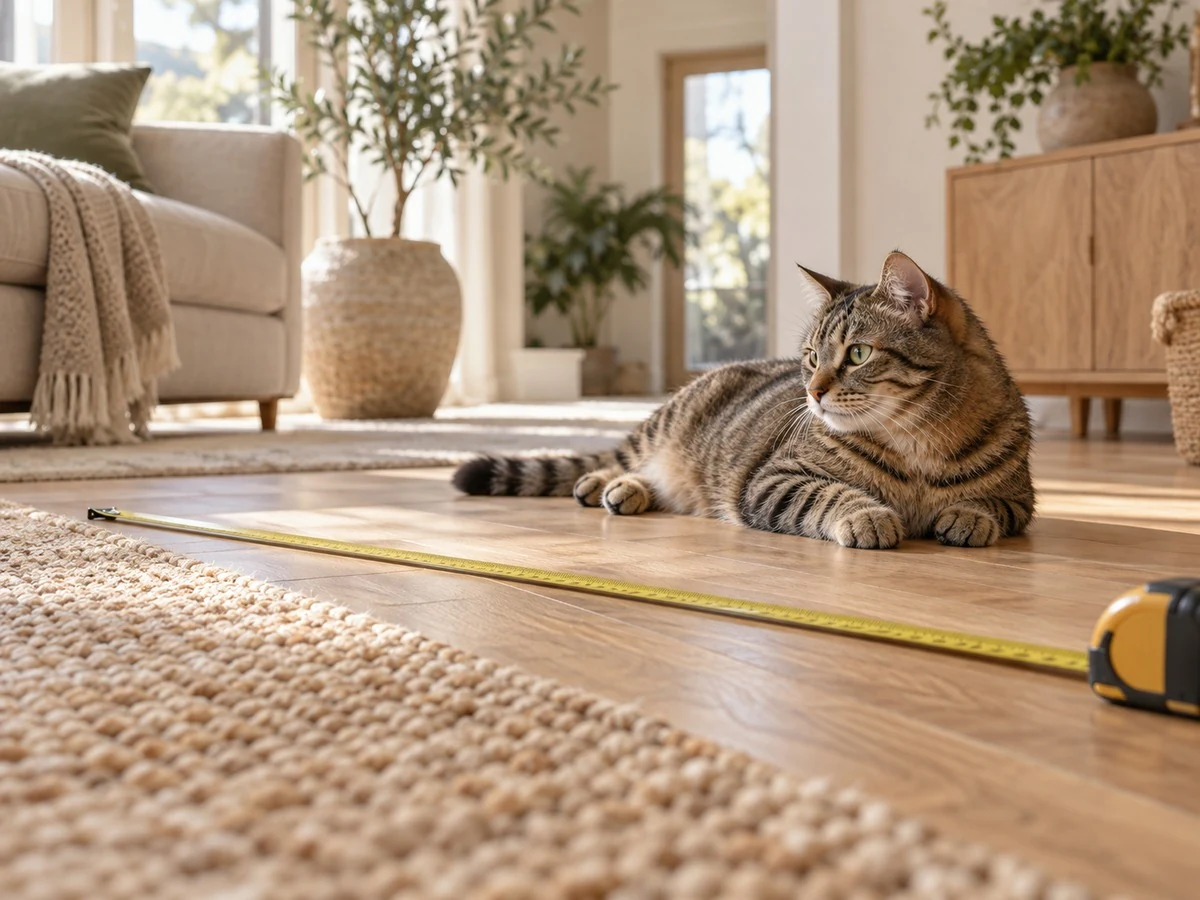
Measure the intended position and allow room for everyday movement nearby. Ask for missing dimensions, check the supplied assembly and placement instructions, and use the finished product as instructed. Material descriptions should be checked for the exact model: wood-tone appearance does not mean that every design uses the same panel, upholstery or scratching material.
The JZMEOWBIVE catalogue brings together twenty designs across four collections. For model-specific questions, send the design name and catalogue reference to Ezra at Ezra@jz-meowbive.design. This identifies the product clearly when discussing dimensions, materials and wholesale requirements.


Copyright © Junzhou International Supply Chain Management (Jinan) Co., Ltd.